

Deciding to get the hair restoration operation is a substantial transformative choice. Perhaps the most of the primary frequent questions which prospective patients have centers around exactly the number of many they truly require for the full restoration. Even though there is no standard answer, understanding various elements at play helps offer you with more precise perspective. This detailed estimation examines the intricacies you must know about graft calculations for guarantee the desired visual outcome. This document acts as a your critical handbook for the intricate landscape associated with modern hair restoration technology.
The count of follicular units is primarily upon the unique extent your hair balding, as is measured by the widely accepted medical chart. A patient with minor receding hairlines could only utilize somewhere from 1 1,000 and two thousand follicular units for reach the satisfying density. On the other hand, individuals suffering from advanced balding throughout their full scalp frequently necessitate four thousand 4,000 or six thousand 6,000 grafts to properly restore the affected zones. This broad variance highlights the reason personalized assessments stay undeniably mandatory when planning the surgical procedure. A specialist must evaluate the surface region which needs attention while simultaneously accounting for the existing density in your healthy zone.
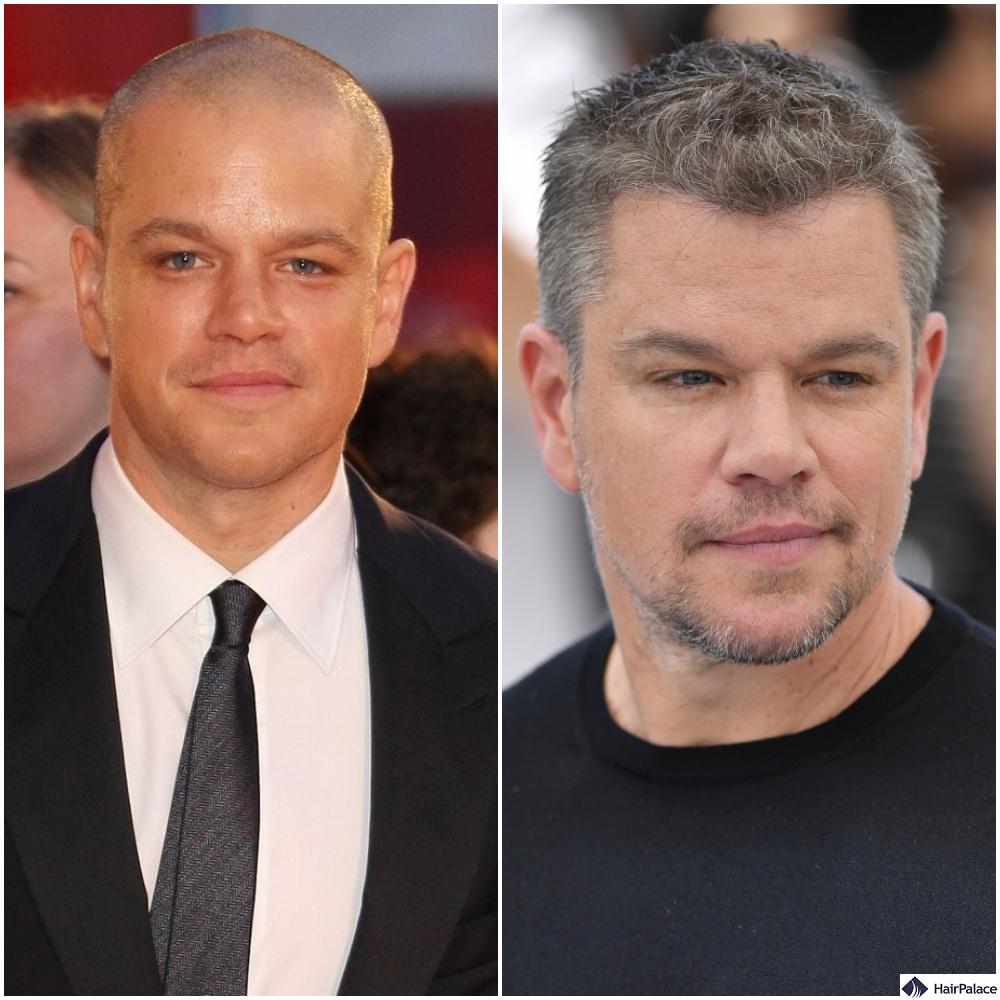
Donor area availability serve as a major determinant in estimating your follicular unit total. Your specialist must thoroughly evaluate the robustness plus the overall count of the hair found at the or sides of the head. If you hold a high-density donor area, the surgeon might feel able to safely harvest a larger amount of healthy grafts without creating noticeable voids within that harvesting region. However, if your donor zone is thin, your surgeon has to focus on careful distribution to the visual impact. This strategic planning ensures that resultant coverage looks balanced instead than looking sparse. Ultimately, your harvestable donor supply sets the realistic top boundary of the restorative goals.
A further vital variable to your necessary graft estimation is that of the hair characteristics themselves. Strand caliber, pigmentation, plus wave pattern each add immensely to the resultant fullness after procedure. For instance instance, individuals with thick strands typically achieve a greater feeling of coverage with fewer grafts in comparison to people possessing light hair. celebrity hair transplant turkey implies that needed graft count will is tailored to fit your unique natural characteristics. Surgeons frequently calculate the expected numbers by the visual benefit every follicle delivers based on your specific strand qualities. Such detailed strategy assists set your expectations and ensuring the procedure stays medically appropriate.
Which about the regions of the the head? The frontal region usually needs higher greater amount fine care to ensure a completely undetectable result. Practitioners frequently use single-hair units along the very front line to create a soft gradient, progressively increasing the quantity of multi-hair follicles as one travel deeper towards top of the head. Conversely, the back or vertex zone typically need a higher volume of follicular units to an appearance noticeable coverage as the area tends to be seen from multiple many directions. Grasping this zonal requirement is before planning a realistic achievable plan. Such regional methodology guarantees the newly restored hair merge seamlessly with the remaining original strands.
So, what is should you find the best figure? The absolute most accurate method is to to book the personalized consultation meeting with an experienced follicular surgical surgeon. During this critical session, your surgeon will undertake a assessment of the hair, review the long-term aesthetic goals, and exactly provide a graft count grounded on the specifics of your donor supply. Refrain from trusting only on internet tools, as they simply consider for the subtle nuances that just a trained eye can accurately assess. Through integrating professional insight along with the own visual goals, you will confidently advance forward on the restorative journey. A successful procedure is truly about more than just a number; the surgery is all about the balance, skill, as well as dedication that shapes the final transformation.